
Choosing the Right Wood Species for Hardwood Floors Installation
People seeking hardwood floor installation often want expert help choosing the right wood species, and local contractors can guide them to the best options for their space.
Choosing the right wood species for hardwood floors installation is an important step for property owners looking to enhance their space with durable and attractive flooring. Whether renovating a home or updating a commercial property, understanding the differences between wood types can help ensure the finished result meets both aesthetic preferences and practical needs. Local contractors specializing in hardwood flooring often have valuable insights into which species perform best in specific environments, making it easier for property owners to make informed decisions that stand the test of time.
Exploring this topic is especially relevant for those who want their investment to pay off through longevity and visual appeal. Selecting the appropriate wood species can influence factors like maintenance, wear resistance, and overall appearance-key considerations for busy households or high-traffic areas. Local service providers who offer hardwood floor installation services are well-equipped to guide property owners through this process, helping them choose the right materials and ensuring the installation aligns with their goals for the space. Keep reading to discover how to make the best choice for your hardwood flooring project.
- Hardwood floor installation - homeowners planning a new floor often seek guidance on selecting the best wood species for durability and style, with local contractors providing expert advice.
- Choosing the right wood species - those updating existing floors may need assistance in matching or upgrading wood types, and service providers can recommend suitable options based on space and use.
- Refinishing and repair projects - property owners restoring older floors might consult local pros to determine if the current wood species is appropriate for refinishing or if a different type should be considered.
- Custom hardwood flooring - clients interested in unique or specialty wood species for custom designs can rely on local contractors for expertise in selecting and installing the right materials.
- Flooring consultation services - individuals unsure about which wood species to choose for their space often seek professional advice from local service providers to ensure proper selection and installation.
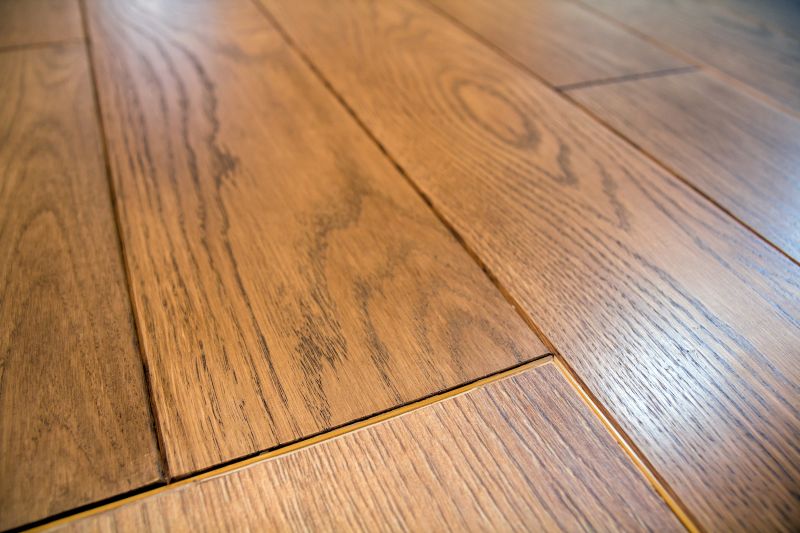
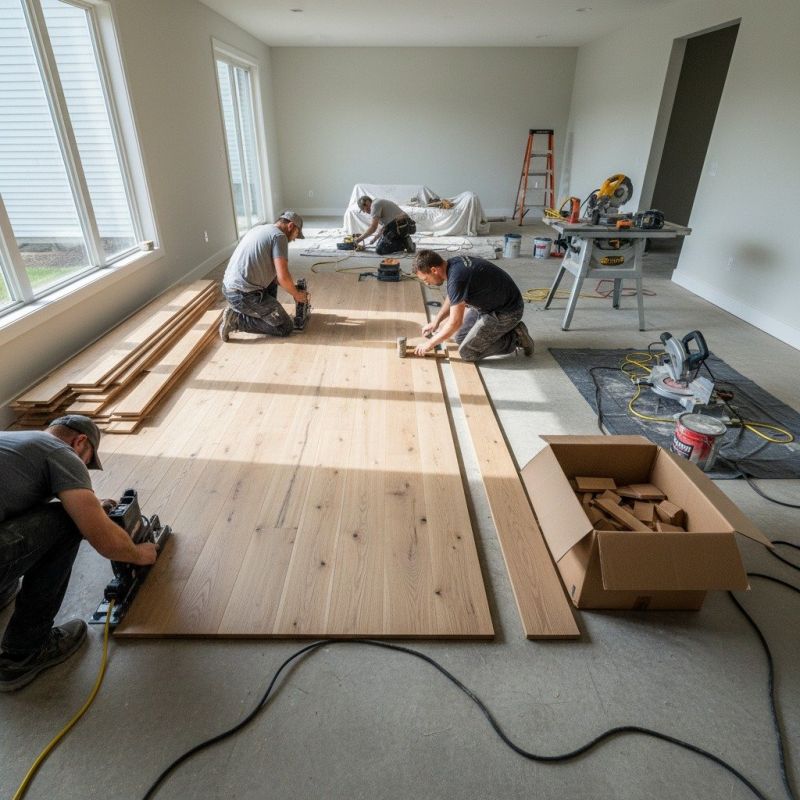
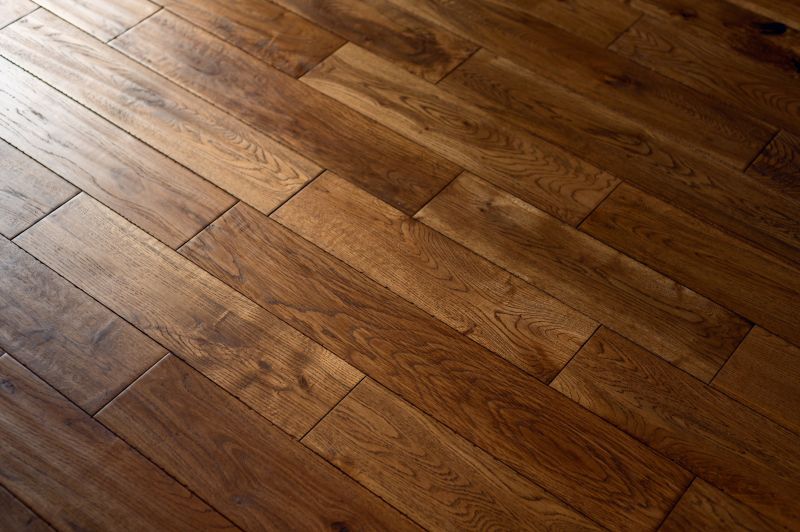
When people search for choosing the right wood species for hardwood floors installation, they are often trying to determine which type of wood will best suit their home’s style, durability needs, and overall environment. Homeowners typically consider how the wood’s appearance matches their interior design, as well as how well it withstands daily wear and tear. This decision is especially important for those planning a renovation or new build, as the choice of wood can influence the long-term look and feel of the space. Understanding the differences between various wood species helps homeowners make informed decisions that align with their aesthetic preferences and practical requirements.
This topic is closely connected to a range of property-related considerations, including the type of space being renovated, the level of foot traffic, and the climate or humidity conditions in the area. For example, high-traffic areas like hallways or living rooms may benefit from more durable species such as oak or hickory, while bedrooms might feature softer woods like maple or cherry for a warmer, more refined appearance. Homeowners often face challenges in balancing visual appeal with longevity, and choosing the right wood species is a key step in planning a successful installation. Local contractors who specialize in hardwood flooring can provide valuable insights into which wood types perform best in specific environments.
Properties that commonly come up in discussions about choosing wood species include residential homes, multi-family buildings, and commercial spaces. For residences, the choice often depends on personal style preferences and lifestyle factors, such as whether children or pets are part of the household. Commercial properties, on the other hand, may require more resilient wood options that can handle heavy foot traffic and frequent cleaning. Multi-story buildings and homes with open floor plans also influence the decision, as the visual flow and structural considerations play a role. Local service providers are familiar with these property types and can help homeowners select the most suitable wood species for their specific project.
Ultimately, selecting the right wood species for hardwood floors installation involves understanding the unique qualities of different woods and how they align with the property’s needs. Homeowners should consider factors like appearance, hardness, and maintenance requirements in relation to their daily routines and property type. Connecting with experienced local contractors can simplify this process, as they can offer tailored advice based on the local climate, usage patterns, and design goals. These professionals can help ensure that the chosen wood enhances both the beauty and functionality of the space, making the investment in hardwood flooring a lasting addition to the property.
Wood flooring refinishing projects - these projects require careful planning of wood types and finishes, similar to selecting the right wood species for hardwood floors installation to achieve desired aesthetics and durability.
Custom stairway and railing installations - designing and installing staircases often involves choosing specific wood species that complement flooring choices and require precise planning and tool use.
Kitchen and bathroom remodeling with wood accents - incorporating wood features into remodels demands knowledge of wood characteristics, aligning with selecting appropriate wood species for floors.
Built-in cabinetry and shelving projects - crafting custom storage solutions involves selecting suitable wood types, paralleling the decision-making process in hardwood floor installation.
Deck and outdoor wood structure projects - these jobs require understanding wood properties for weather resistance, which relates to choosing durable wood species for interior flooring.
Flooring repair and patchwork services - matching existing wood types and finishes involves expertise similar to selecting the right wood species during initial installation.
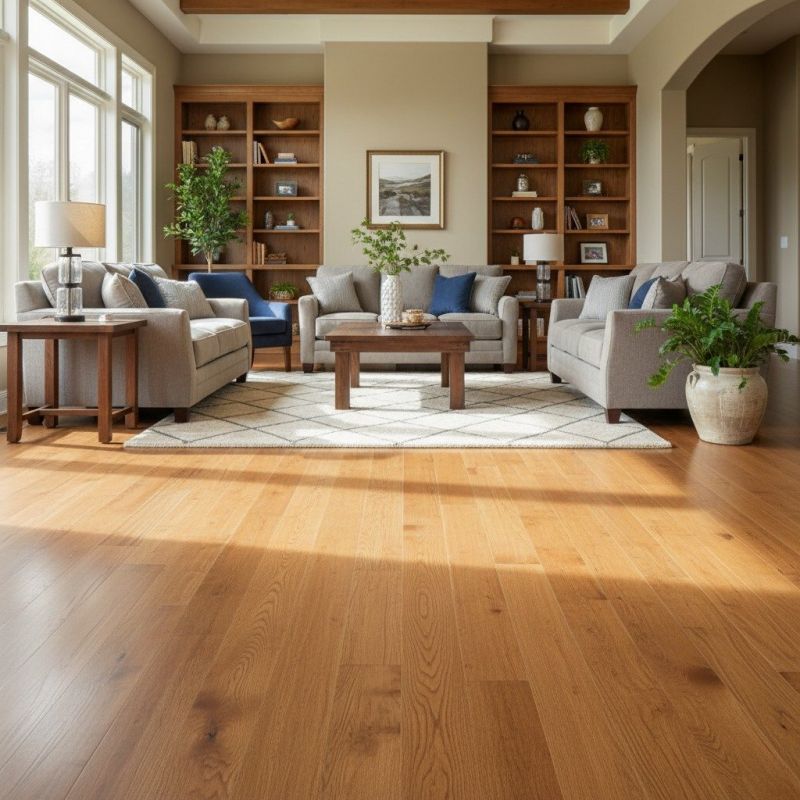
When evaluating service providers for hardwood floor installation, it is important to consider their experience with similar projects, particularly those involving the selection and installation of specific wood species. Homeowners should inquire about the types of hardwood floors the contractor has worked with and seek examples or references that demonstrate their familiarity with different wood characteristics, durability requirements, and aesthetic preferences. A contractor’s background with projects comparable to the homeowner’s can provide confidence that they understand the nuances of choosing the right wood species for hardwood floors installation, ensuring the final result aligns with expectations.
Clear written expectations are essential when comparing local contractors for hardwood floor installation services. Homeowners should seek detailed descriptions of the scope of work, including the process of selecting the appropriate wood species, preparation steps, and finishing techniques. Well-defined expectations help prevent misunderstandings and ensure that both parties are aligned on project goals. Reputable service providers often provide comprehensive estimates or proposals that outline materials, methods, and timelines, which can serve as valuable tools for comparison and decision-making.
Effective communication is a key factor in selecting the right local pros for hardwood floors installation. Homeowners should look for service providers who are responsive, transparent, and willing to answer questions about different wood species and their suitability for specific environments. Good communication helps clarify preferences, addresses concerns about durability or appearance, and ensures that the homeowner’s needs are understood throughout the project. Contractors who prioritize clear, ongoing dialogue are more likely to deliver results that meet expectations and provide a smooth installation process.
Property owners often search for choosing the right wood species for hardwood floors installation when they are planning practical projects around their homes and businesses. Local pros provide Hardwood Floor Installation services for everyday jobs and straightforward project options.
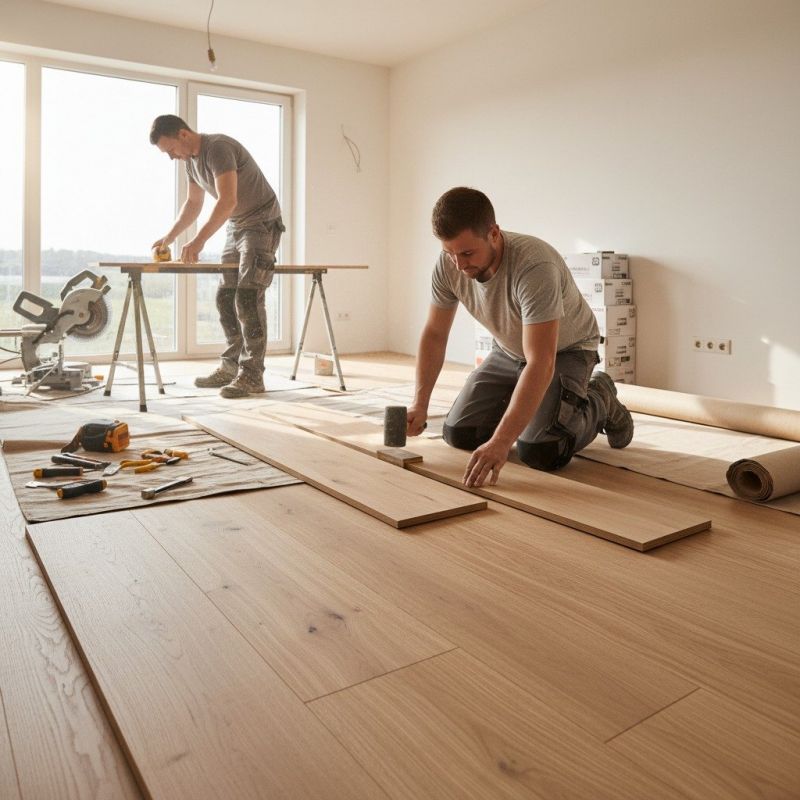
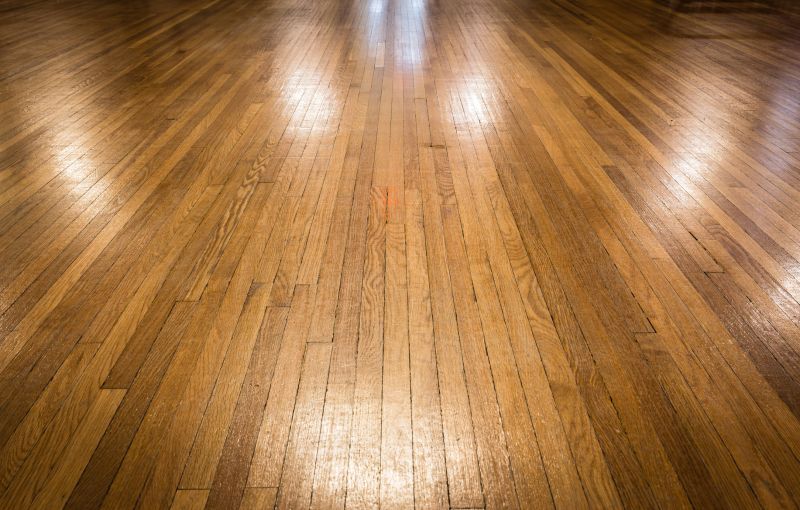
Choosing the right wood species for hardwood floors installation is a common consideration for property owners looking to enhance the beauty and durability of their homes. Many people in the area seek guidance on selecting the best type of wood that aligns with their lifestyle, aesthetic preferences, and the specific conditions of their space. Local contractors can provide valuable insights into the characteristics of different wood species, helping property owners make informed decisions that suit their daily needs and long-term expectations.
Property owners often look into this topic when planning a renovation or upgrade, aiming to ensure their new floors will stand up to everyday wear and tear. Whether they prefer a lighter, more natural look or a darker, more traditional appearance, local service providers can recommend suitable wood options and handle the installation process with expertise. Connecting with experienced contractors can simplify the process of choosing the right wood species, ensuring the finished floors meet both functional and visual goals.
How do I choose the right wood species for my hardwood floors? Local contractors can help evaluate your space, lifestyle, and aesthetic preferences to recommend suitable wood species that match your needs and the environment where the floors will be installed.
What factors should I consider when selecting a wood type for hardwood flooring? Factors such as hardness, durability, appearance, and maintenance requirements are important. Service providers can guide you through these considerations to ensure the chosen wood meets your expectations.
Are certain wood species better for high-traffic areas? Yes, some woods like oak and hickory are more resistant to wear and tear. Local flooring professionals can advise on the best options for areas with heavy foot traffic to ensure longevity.
Can local pros help me choose a wood species that matches my interior style? Absolutely. Experienced service providers can recommend wood types and finishes that complement your existing decor and design preferences.
How does the climate affect the choice of wood species for hardwood floors? Climate can influence wood stability and expansion. Local contractors are familiar with regional conditions and can recommend species that perform well in your specific environment.
Wood durability - Understanding the hardness and wear resistance of different wood species helps property owners select materials that will withstand daily foot traffic and activity.
Color and grain patterns - Considering the natural appearance of various woods allows homeowners to choose a style that complements their interior design and personal taste.
Moisture compatibility - Recognizing how different wood types respond to humidity levels ensures proper installation and reduces the risk of warping or gaps over time.
Maintenance needs - Evaluating the upkeep requirements of specific wood species helps property owners plan for long-term care and preservation of their hardwood floors.
If you are thinking about choosing the right wood species for hardwood floors installation for a property, this guide is meant to help you understand this topic, the typical project types, and how different options might fit your plans.
When you are ready, you can use the quote form on this page to share a few details about your project. From there, local pros can review the basics and follow up with options that match what you have in mind.