Bamboo Floor Installation | How To
How to Install Bamboo Flooring
Step 1: Prepare the Subfloor
Before installing bamboo flooring, you need to ensure that the subfloor is clean, dry, and level. Remove any existing flooring, clean the subfloor thoroughly, and fix any uneven areas.
Step 2: Acclimate the Bamboo Flooring
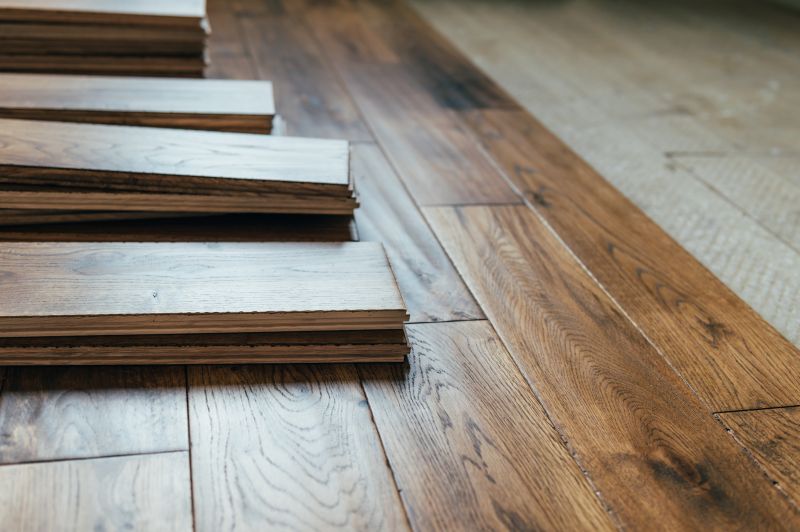
Allow the bamboo flooring to acclimate to the room's temperature and humidity for at least 72 hours. Keep the flooring boxes open in the room where you plan to install them.
Step 3: Install the Underlayment
Lay down a suitable underlayment to provide moisture protection and sound insulation. Follow the manufacturer's instructions for installation.
Step 4: Plan the Layout
Plan the layout of the bamboo flooring by measuring the room and determining the best starting point. Consider the direction of the planks, transitions to other flooring, and any obstacles.
Step 5: Install the First Row
Begin installation by laying the first row of bamboo flooring along the longest wall, with the tongue side facing the wall. Use spacers to maintain an expansion gap and ensure a snug fit.
Step 6: Install the Remaining Rows
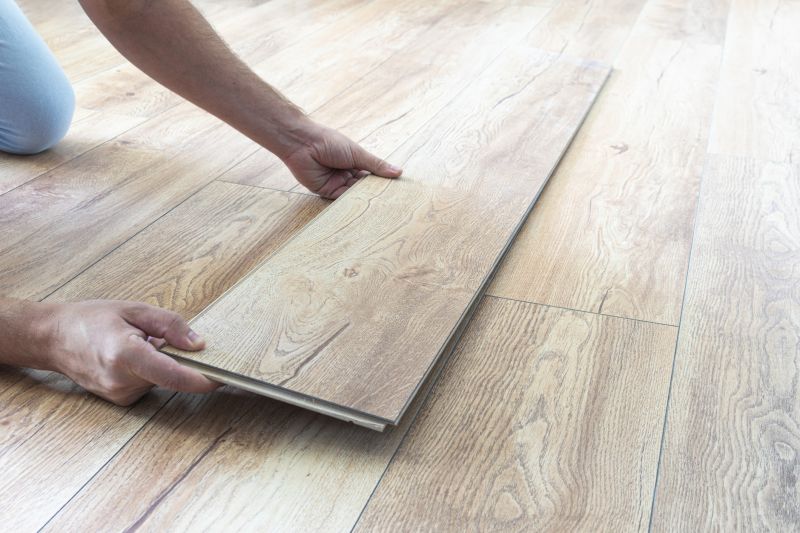
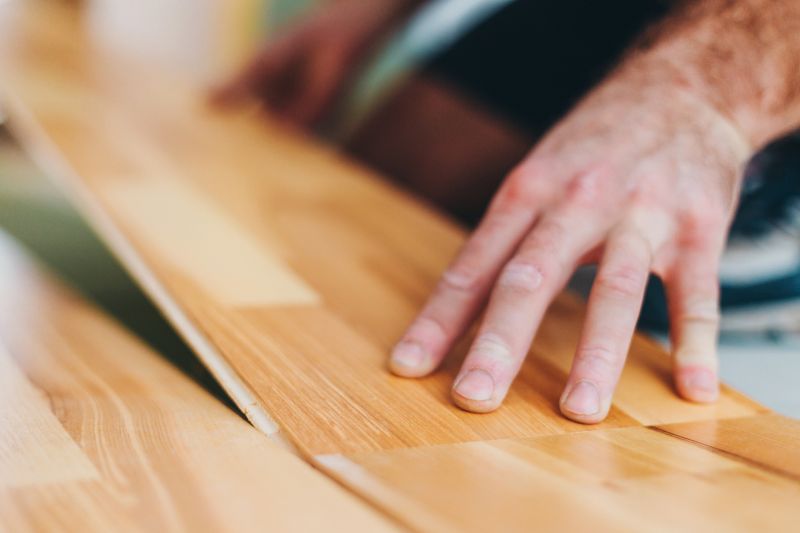
Continue installing the bamboo flooring by connecting the planks tongue and groove. Use a tapping block and rubber mallet to ensure tight and secure joints. Stagger the planks for a more natural look.
Step 7: Cut and Fit the Last Row
Measure and cut the last row of bamboo flooring to fit. Use a table saw or miter saw to make precise cuts. Remember to leave an expansion gap along the walls.
Step 8: Install Baseboards and Trim
Install baseboards or quarter round molding to cover the expansion gap along the walls. Use a finish nailer or adhesive to secure them in place. Install any additional trim as desired.
Step 9: Clean and Inspect
Thoroughly clean the installed bamboo flooring, removing any debris or dust. Inspect the entire floor for any gaps, loose planks, or imperfections. Make any necessary repairs.
Step 10: Enjoy Your New Bamboo Floor
Once the installation is complete and the floor is clean and inspected, you can now enjoy your beautiful bamboo floor. Follow the manufacturer's recommendations for maintenance and care to keep it looking great for years to come.