Floating Hardwood Floor Installation | How To
How to Install a Floating Hardwood Floor
Step 1: Prepare the Subfloor
Before you begin installing your floating hardwood floor, make sure the subfloor is clean, level, and free of any debris. Remove any existing flooring and repair any damage or unevenness in the subfloor.
Step 2: Acclimate the Hardwood Planks
Allow the hardwood planks to acclimate to the room's temperature and humidity for at least 48 hours. This will prevent any expansion or contraction of the planks after installation.
Step 3: Lay the Underlayment
Start by laying the underlayment over the subfloor. The underlayment acts as a moisture barrier and sound insulator. Make sure to overlap the seams and secure it with tape.
Step 4: Measure and Cut the Planks
Measure the length and width of the room to determine the starting point and the size of the planks. Use a miter saw or a circular saw to cut the planks accordingly. Remember to leave a 1/4-inch gap around the edges for expansion.
Step 5: Install the First Row
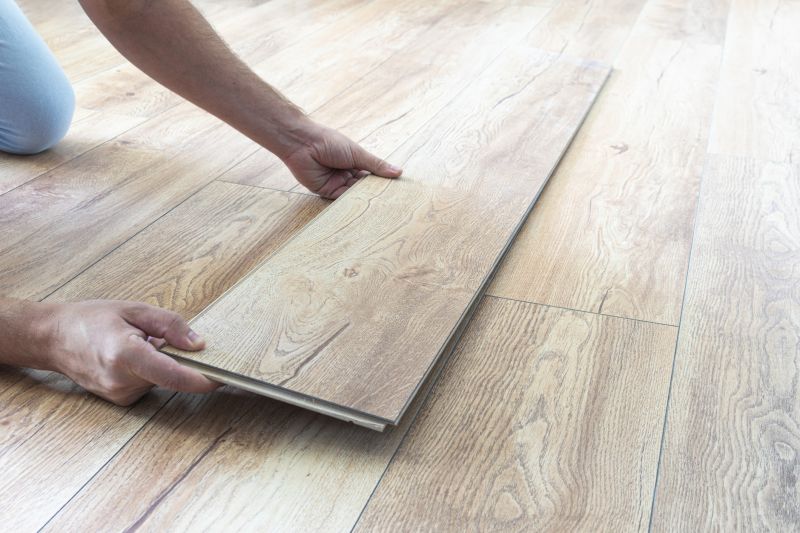
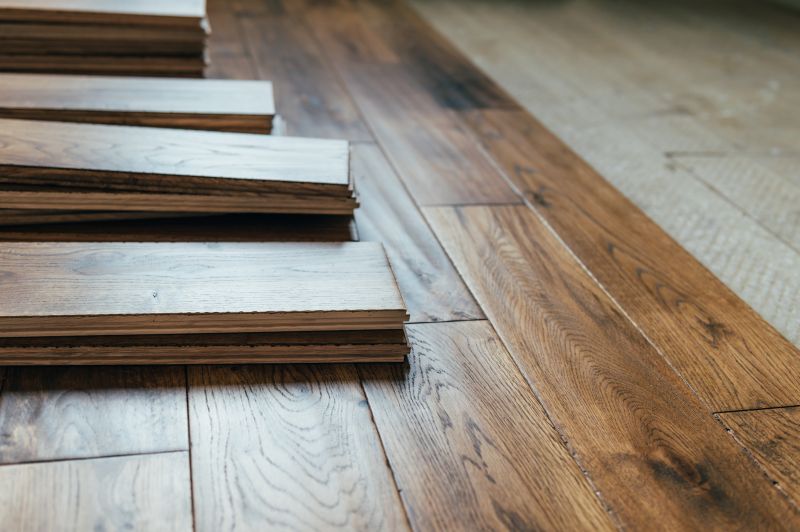
Start by installing the first row of planks along the longest wall, with the tongue side facing the wall. Use spacers to maintain the 1/4-inch gap. Attach the planks together by inserting the tongue of one plank into the groove of the previous plank. Use a tapping block and a mallet to ensure a tight fit.
Step 6: Continue Installing the Planks
Continue installing the planks row by row, working from left to right. Stagger the joints between the planks to create a more natural and visually appealing look. Use a pull bar and a hammer to fit the planks tightly together.
Step 7: Trim and Install the Last Row
Measure and cut the last row of planks to fit against the wall, leaving a 1/4-inch gap. Use a pry bar to gently fit the last row into place.
Step 8: Install the Baseboards
Once all the planks are installed, reinstall the baseboards or install new ones to cover the expansion gap. Use a nail gun or finish nails to secure the baseboards to the wall.
Step 9: Clean and Enjoy
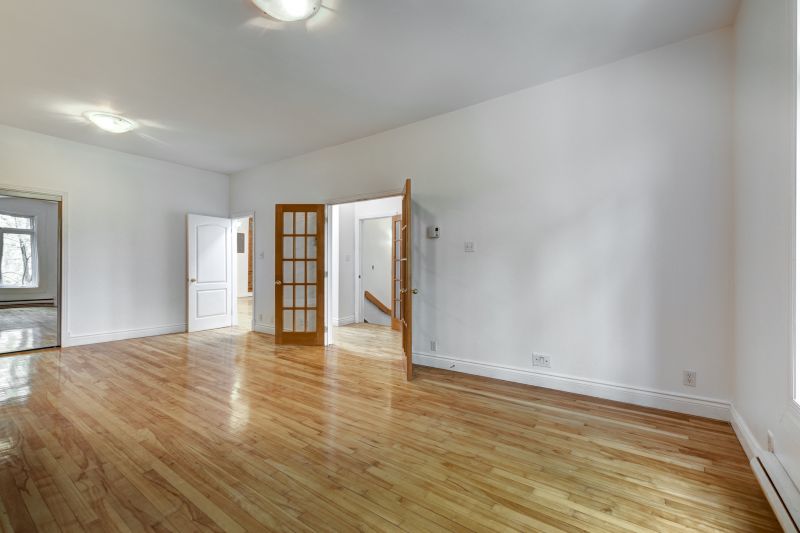
Finally, clean the floor thoroughly to remove any dust or debris. You can now enjoy your beautiful floating hardwood floor!