Residential Hardwood Floor Installation | How To
How to Do Residential Hardwood Floor Installation
Step 1: Prepare the Subfloor
Before installing hardwood flooring, it's essential to ensure that the subfloor is clean, level, and dry. Remove any existing flooring, debris, or adhesive residues. Repair any damages or uneven areas on the subfloor.
Step 2: Acclimate the Hardwood Flooring
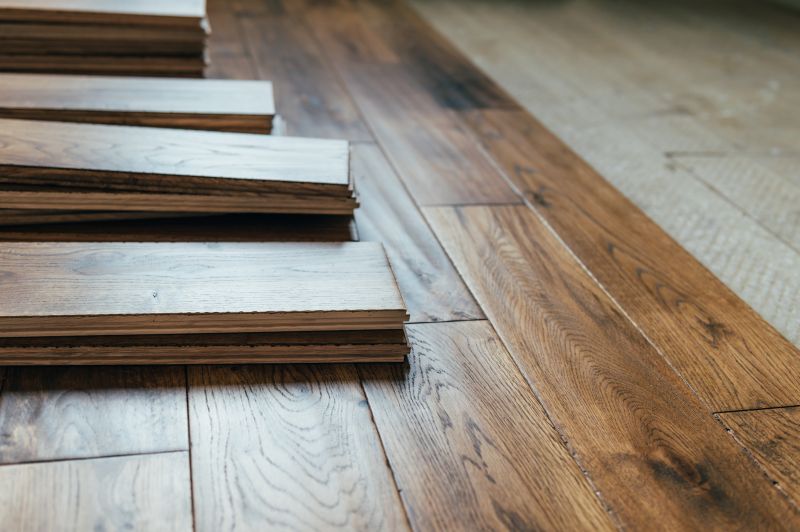
Unpack the hardwood flooring and let it acclimate to the room's temperature and humidity for at least 48 hours. This step helps prevent any expansion or contraction issues after installation.
Step 3: Install the Vapor Barrier
Lay down a vapor barrier or moisture barrier over the subfloor to protect the hardwood flooring from moisture damage. Secure the barrier using adhesive or nails, ensuring it covers the entire floor area.
Step 4: Lay the First Row
Start by laying the first row of hardwood flooring along the longest wall in the room. Leave a small gap, typically 1/4 inch, between the flooring and the wall to allow for expansion. Use a pneumatic nailer or flooring stapler to secure the boards to the subfloor.
Step 5: Continue with Subsequent Rows
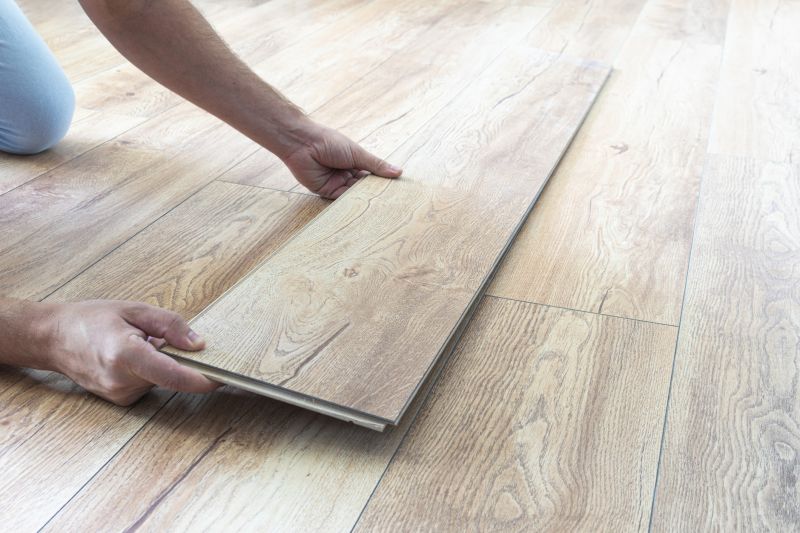
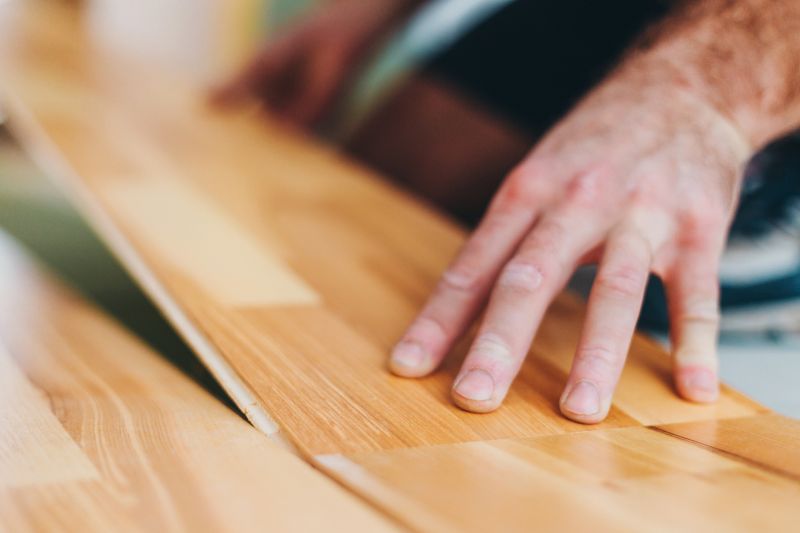
Lay the subsequent rows of hardwood flooring, ensuring they are tightly fitted together. Use a tapping block and mallet to connect the boards if necessary. Stagger the end joints between rows to create a visually appealing pattern.
Step 6: Cut and Fit Boards
Measure and cut the last board of each row to fit the remaining space. Remember to leave a small gap for expansion. Use a miter saw or a circular saw to make precise cuts.
Step 7: Install Baseboards and Trim
After completing the hardwood floor installation, install baseboards or quarter-round molding to cover the expansion gap between the flooring and the walls. Use a nail gun or adhesive to secure the trim in place.
Step 8: Sand and Finish
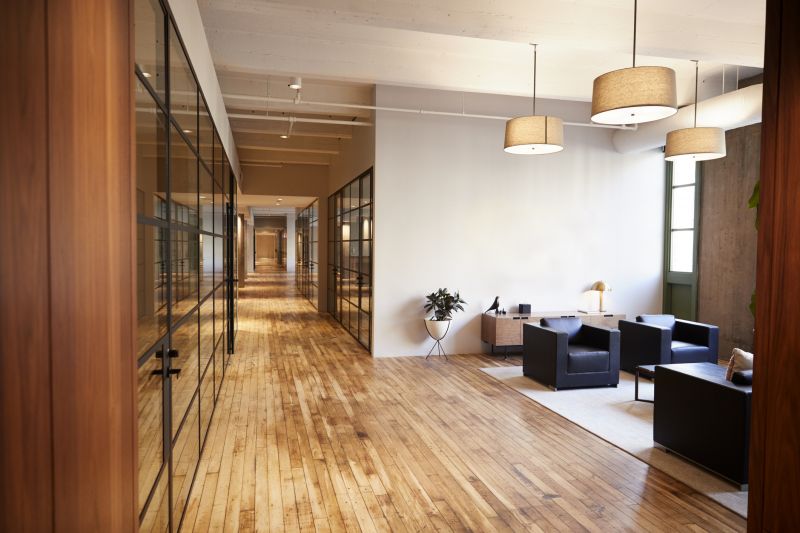
Once the floor is installed, sand it using a floor sander to create a smooth surface. Remove any dust and apply the desired finish, such as polyurethane or wax, following the manufacturer's instructions. Allow the finish to dry completely before moving furniture back into the room.
Step 9: Maintain and Enjoy
Regularly maintain your hardwood floor by sweeping, vacuuming, and using appropriate cleaning products. Avoid excessive moisture and protect the floor from scratches by using furniture pads and area rugs.