Reclaimed Hardwood Floor Installation | How To
How to Install Reclaimed Hardwood Floors
Step 1: Prepare the Subfloor
Before installing reclaimed hardwood floors, it's important to prepare the subfloor properly. Remove any existing flooring material and ensure the subfloor is clean, dry, and level. Repair any damaged areas and remove any protruding nails or staples.
Step 2: Acclimate the Reclaimed Hardwood
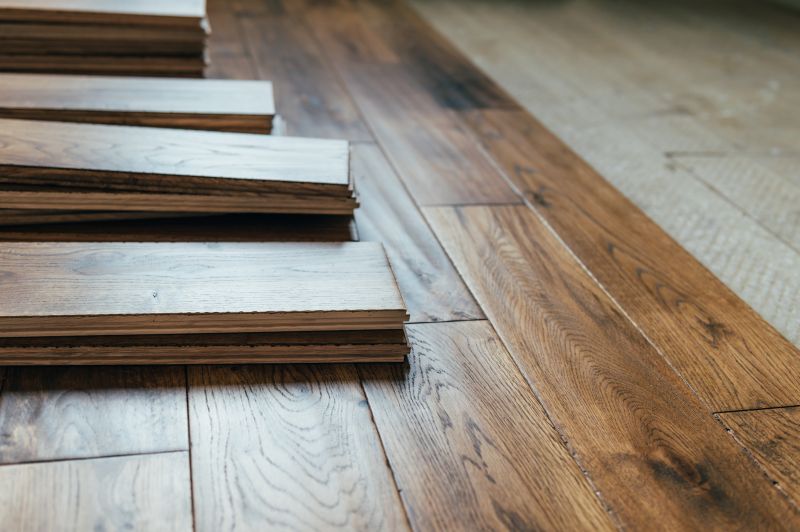
Reclaimed hardwood needs to acclimate to the environment it will be installed in. Lay out the flooring in the installation area for at least 48 hours. This allows the wood to adjust to the temperature and humidity of the room, minimizing the risk of warping or shrinking after installation.
Step 3: Lay the Vapor Barrier
Install a vapor barrier, such as a moisture-resistant underlayment, over the subfloor. This helps prevent moisture from seeping into the reclaimed hardwood and causing damage over time. Secure the vapor barrier according to the manufacturer's instructions.
Step 4: Plan the Layout
Before starting the installation, plan the layout of the reclaimed hardwood. Consider the direction of the wood grain, the placement of doorways, and any architectural features in the room. Start the installation from a straight wall to ensure a neat and even appearance.
Step 5: Install the Reclaimed Hardwood
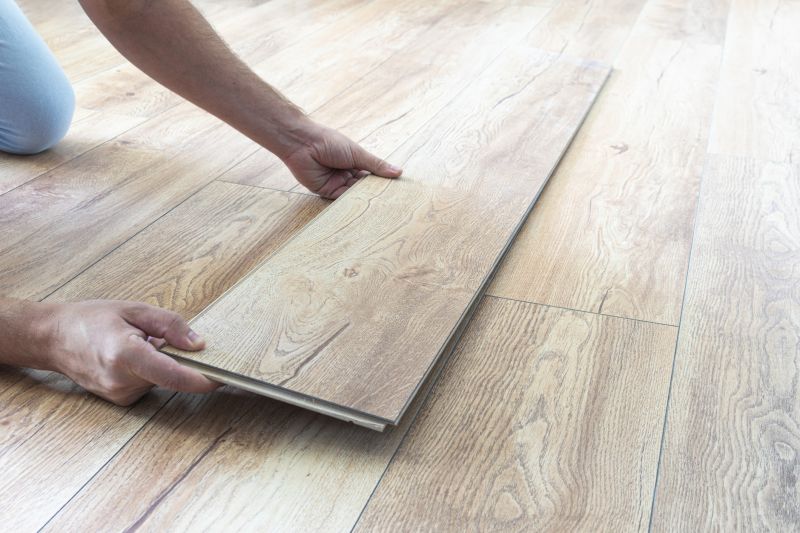
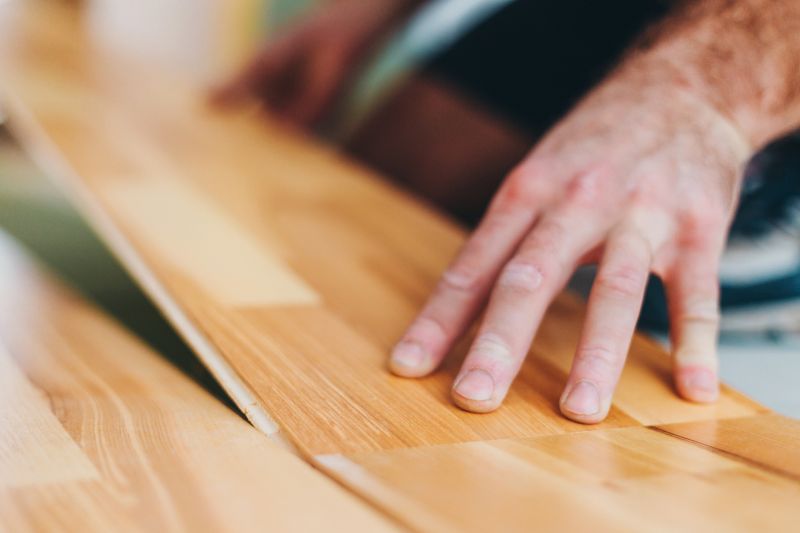
Begin the installation by placing the first row of reclaimed hardwood against the starting wall, leaving a 1/2-inch gap for expansion. Use a pneumatic flooring nailer or drill pilot holes and hand-nail the boards into place. Continue installing subsequent rows, using a flooring mallet and a tapping block to ensure tight and secure joints.
Step 6: Cut and Fit the Boards
As you reach the end of each row, you'll likely need to cut and fit the reclaimed hardwood boards. Measure and mark the boards accurately, and use a miter saw or a circular saw to make precise cuts. Remember to leave the 1/2-inch expansion gap along the walls.
Step 7: Install the Last Row
For the final row, you may need to rip the reclaimed hardwood boards to fit the remaining space. Use a table saw or a circular saw to cut the boards to the appropriate width. Install the last row using a pry bar and a flooring nailer or by hand-nailing.
Step 8: Sand and Finish
Once the reclaimed hardwood floor is installed, sand the surface to smooth out any imperfections or unevenness. Use a floor sander with progressively finer grits of sandpaper until you achieve the desired smoothness. Finish the floor with a high-quality hardwood floor finish, following the manufacturer's instructions.
Step 9: Clean and Maintain
After the finish has dried, clean the reclaimed hardwood floor thoroughly to remove any dust or debris. Regularly maintain the floor by sweeping or vacuuming to prevent scratches and using appropriate hardwood floor cleaners for periodic deep cleaning.
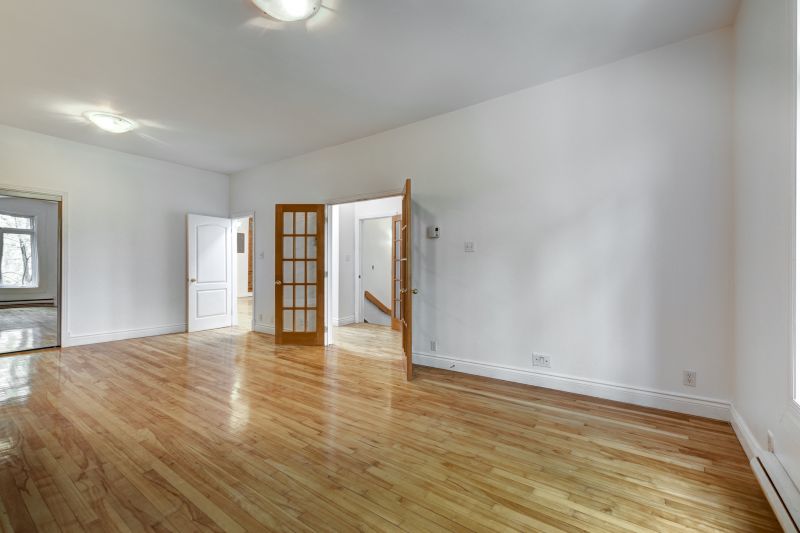
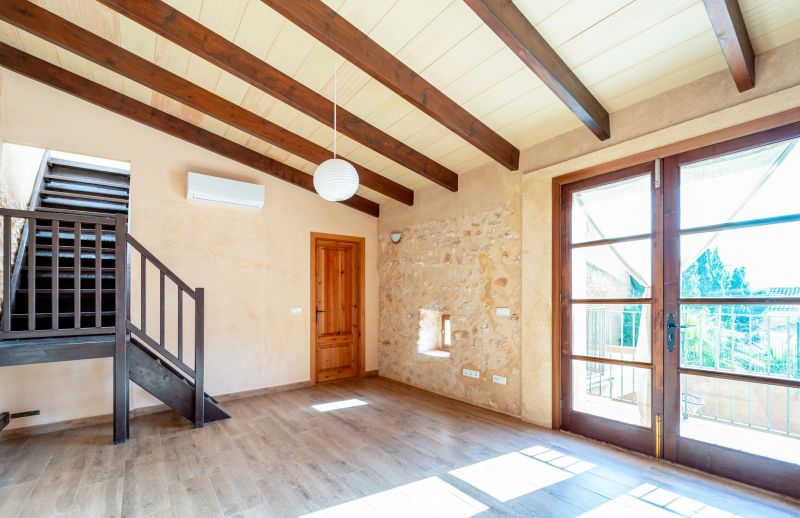
By following these steps, you can successfully install reclaimed hardwood floors and enjoy the timeless beauty they bring to your space.