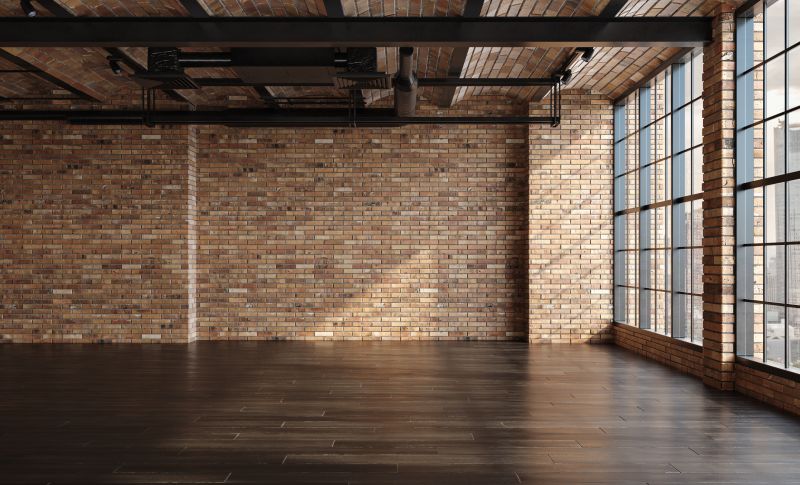
Herringbone Hardwood Floor Installation | How To
How to Install Herringbone Hardwood Floors
Materials Needed:
- Herringbone hardwood flooring
- Underlayment
- Moisture barrier
- Nail gun
- Hammer
- Saw
- Tape measure
- Chalk line
- Trowel
- Wood filler
- Sanding equipment
- Finishing nails
- Finishing materials (stain, sealant, etc.)
Step 1: Prepare the Subfloor
Ensure that the subfloor is clean, level, and free of any debris. Install the underlayment and moisture barrier following the manufacturer's instructions.
Step 2: Measure and Plan
Measure the room and determine the layout of the herringbone pattern. Use a chalk line to mark the starting point and guidelines.
Step 3: Cut and Prepare the Flooring
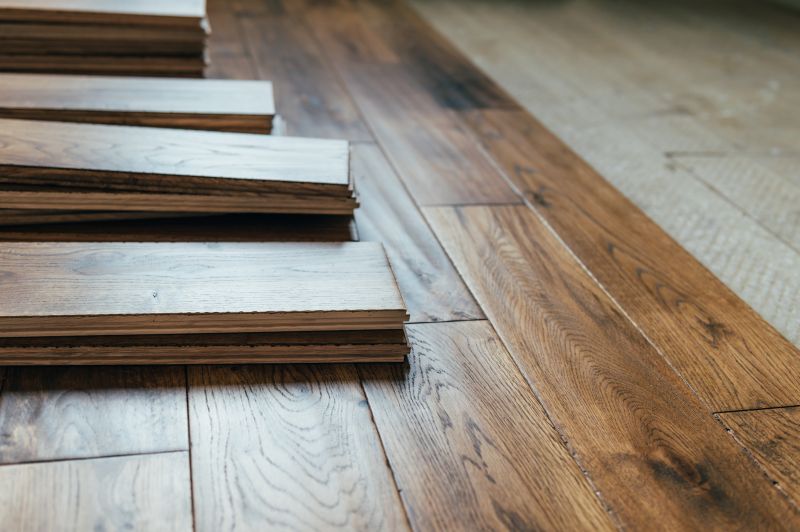
Measure and cut the herringbone hardwood flooring planks to fit the designated areas. Ensure the cuts are accurate and fit snugly against the guidelines.
Step 4: Apply Adhesive and Install
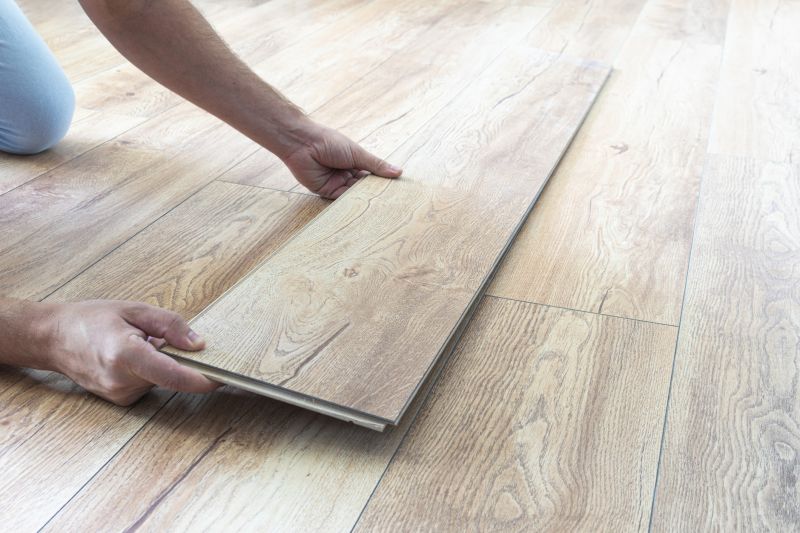
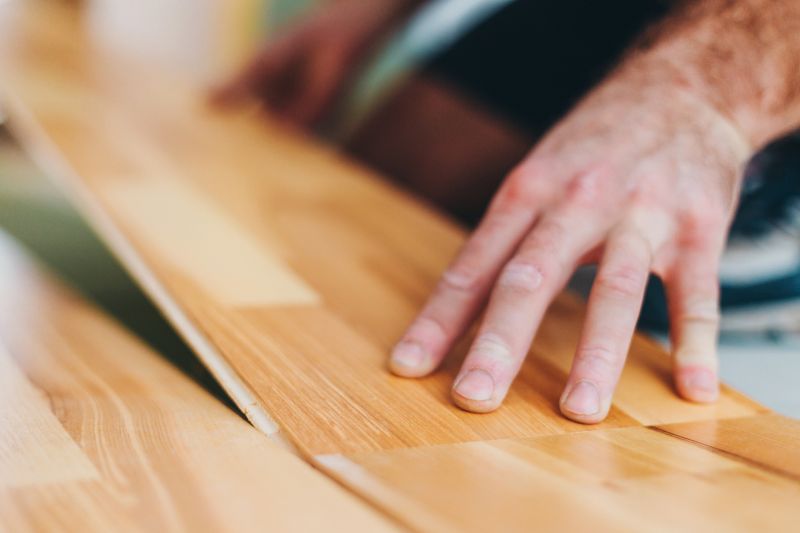
Apply adhesive to the subfloor using a trowel. Start at the marked starting point and lay the first plank along the guideline. Continue installing the planks in a herringbone pattern, using the adhesive as needed.
Step 5: Nail Down the Planks
Secure the herringbone hardwood planks to the subfloor by nailing them down using a nail gun or hammer. Place nails along the edges and at regular intervals to ensure stability.
Step 6: Fill Gaps and Sand
Fill any gaps between the planks with wood filler. Once dry, sand the entire floor to create a smooth surface. Remove any dust or debris before proceeding.
Step 7: Finish the Floor
Apply your desired finishing materials, such as stain or sealant, following the manufacturer's instructions. Allow sufficient drying time before using the floor.
Step 8: Final Touches
Clean the floor thoroughly and remove any remaining debris. Install baseboards or trim to complete the look of your herringbone hardwood floor.
By following these steps, you can successfully install a herringbone hardwood floor and enjoy its timeless beauty in your space.