Hardwood Floor Replacement | How To
How to Replace Hardwood Floors
Step 1: Prepare the Area
Clear the room of any furniture, rugs, or other items. Remove the baseboards along the walls using a pry bar and put them aside for reinstallation later.
Step 2: Remove the Old Flooring
Starting from one corner of the room, use a crowbar or floor scraper to carefully lift and remove the old hardwood flooring. Take caution not to damage the subfloor underneath.
Step 3: Inspect the Subfloor
Thoroughly examine the subfloor for any signs of damage or rot. If necessary, make repairs or replace sections of the subfloor to ensure a solid foundation for the new hardwood flooring.
Step 4: Acclimate the New Hardwood Flooring
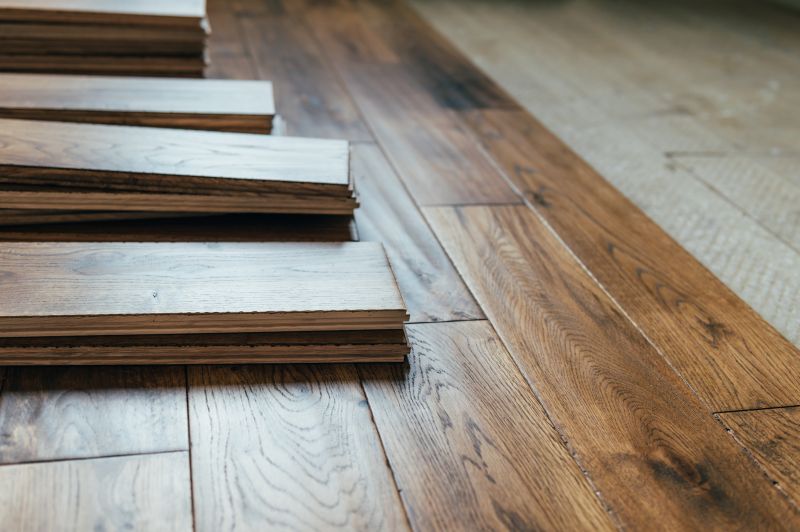
Before installation, allow the new hardwood flooring to acclimate to the room's temperature and humidity for at least 48 hours. Follow the manufacturer's instructions for proper acclimation.
Step 5: Install the New Hardwood Flooring
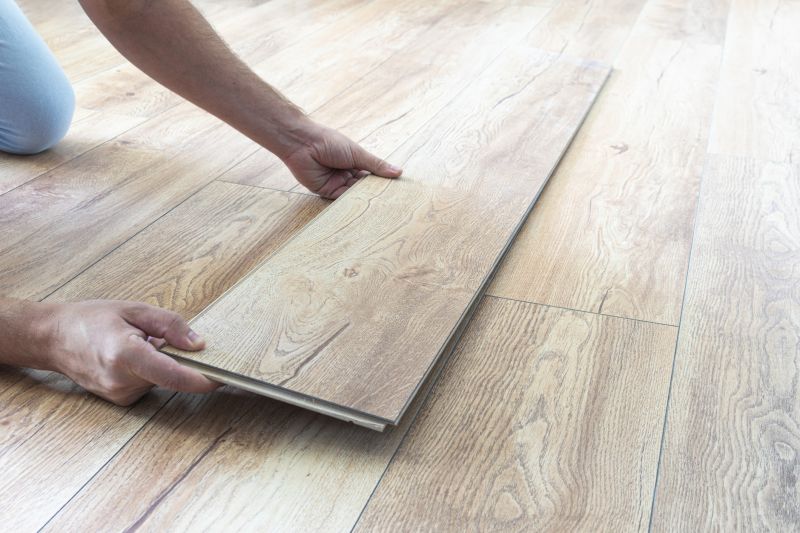
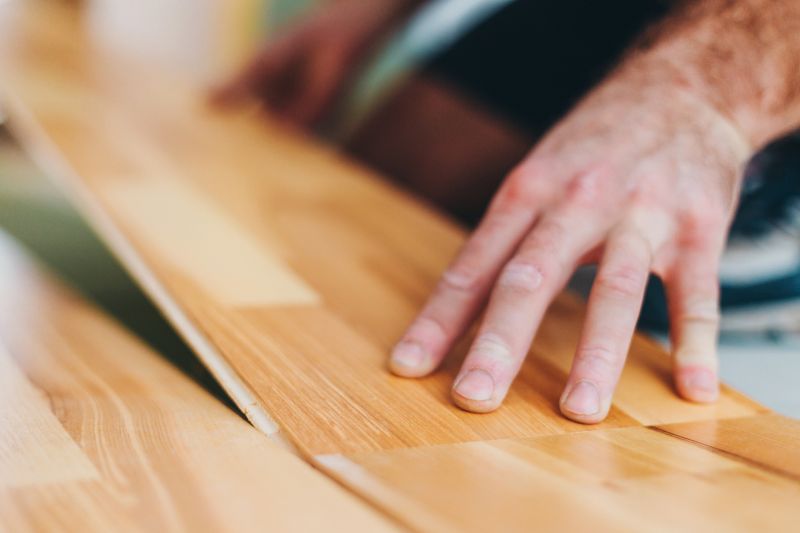
Starting in one corner of the room, lay the first row of hardwood flooring with the tongue facing the wall. Use a pneumatic flooring nailer or a hammer and nails to secure the boards to the subfloor.
Continue installing subsequent rows, ensuring a tight fit between boards. Use a mallet and a tapping block to gently tap the boards together. Trim the last row, if necessary, to fit using a circular saw.
Step 6: Sand and Finish the New Flooring
Once the new hardwood flooring is installed, sand the surface using a drum sander, starting with a coarse grit sandpaper and gradually moving to finer grits. Remove all dust and debris before applying the finish.
Apply the desired finish to the floor, following the manufacturer's instructions. Allow sufficient drying time between coats, and apply multiple coats for added durability.
Step 7: Reinstall Baseboards and Clean Up
Once the finish is dry, reinstall the baseboards using a nail gun or finishing nails. Clean up any remaining dust or debris from the installation process, and return the furniture and other items to the room.
Congratulations! You have successfully replaced your hardwood floors.