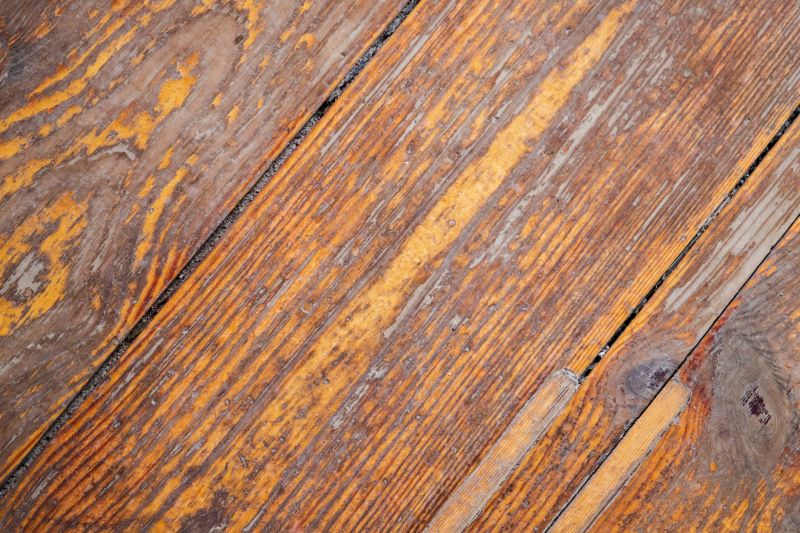
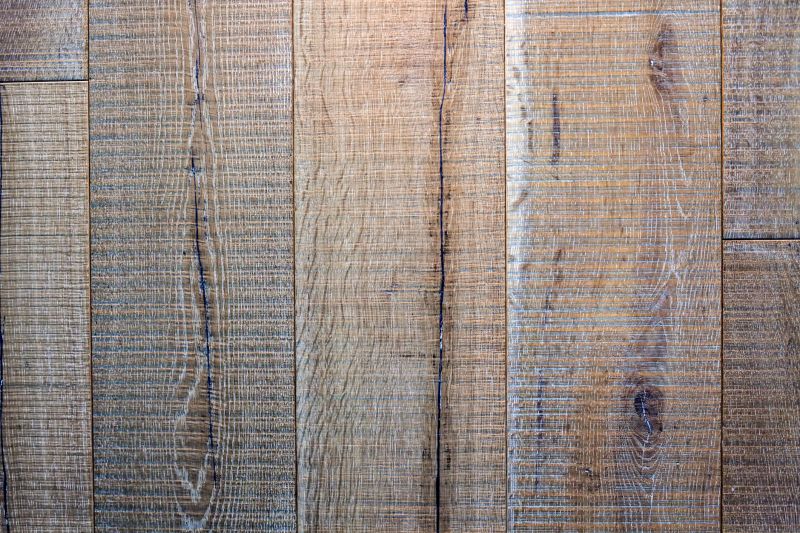
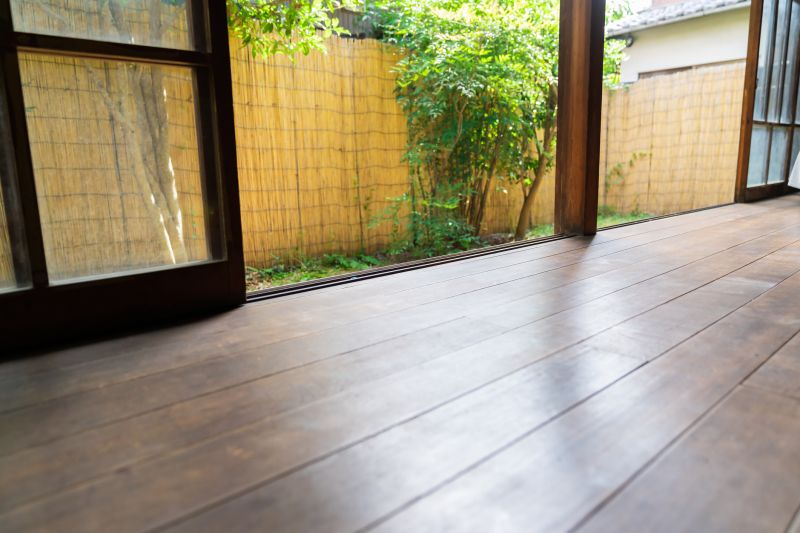
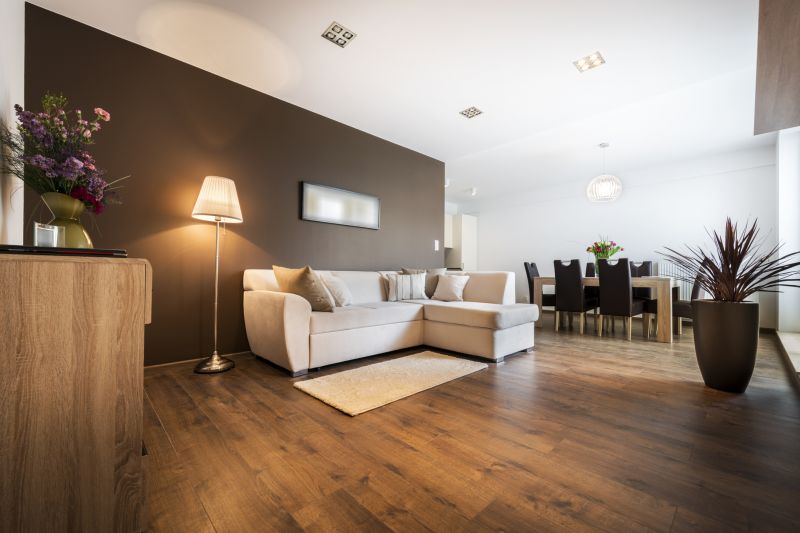
Distressed Hardwood Floor Installation | How To
How to Install Distressed Hardwood Floors
Step 1: Prepare the Subfloor
Before installing distressed hardwood floors, it is important to prepare the subfloor properly. Remove any existing flooring, clean the subfloor thoroughly, and repair any damaged areas.
Step 2: Acclimate the Wood
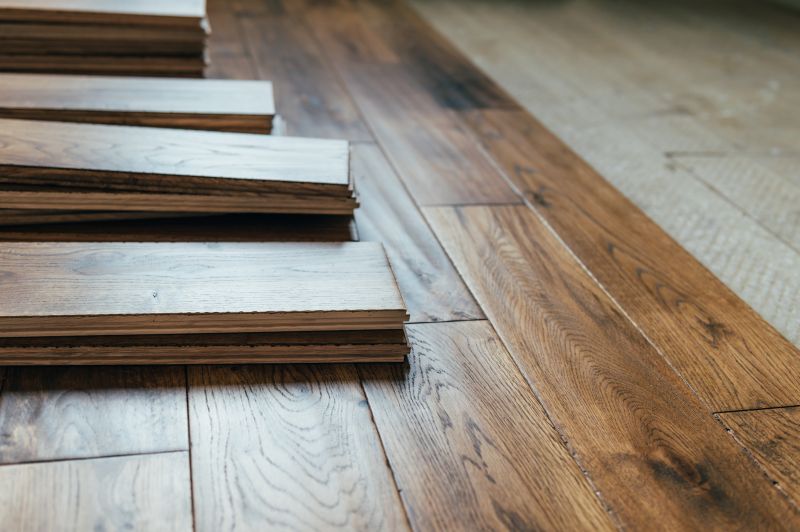
Allow the hardwood planks to acclimate in the room where they will be installed for at least 48 hours. This will help prevent warping or shrinking after installation.
Step 3: Lay the Vapor Barrier
Roll out a vapor barrier over the subfloor to protect the hardwood from moisture. Ensure that the vapor barrier covers the entire floor area and overlaps the edges by a few inches.
Step 4: Install the Underlayment
If necessary, install an underlayment over the vapor barrier to provide additional cushioning and soundproofing. Follow the manufacturer's instructions for proper installation.
Step 5: Start the First Row
Begin installation by placing the first distressed hardwood plank against the longest wall in the room. Leave a 1/2-inch gap between the plank and the wall to allow for expansion.
Step 6: Continue with Subsequent Rows
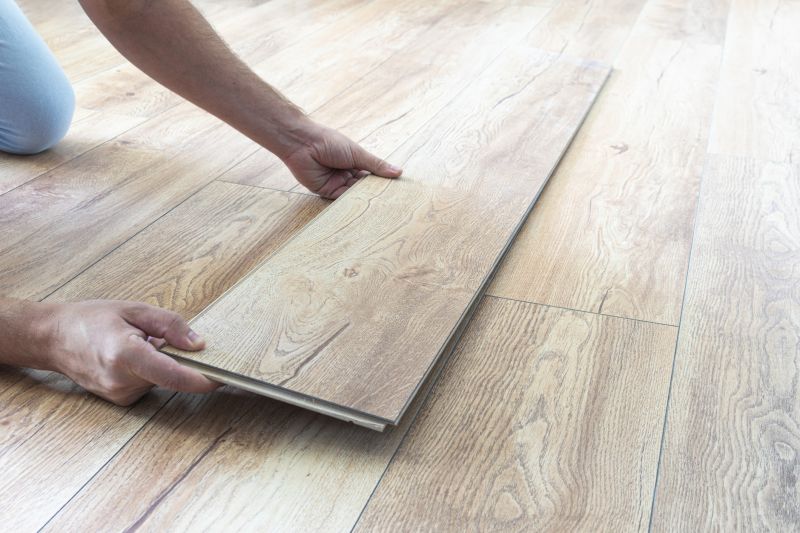
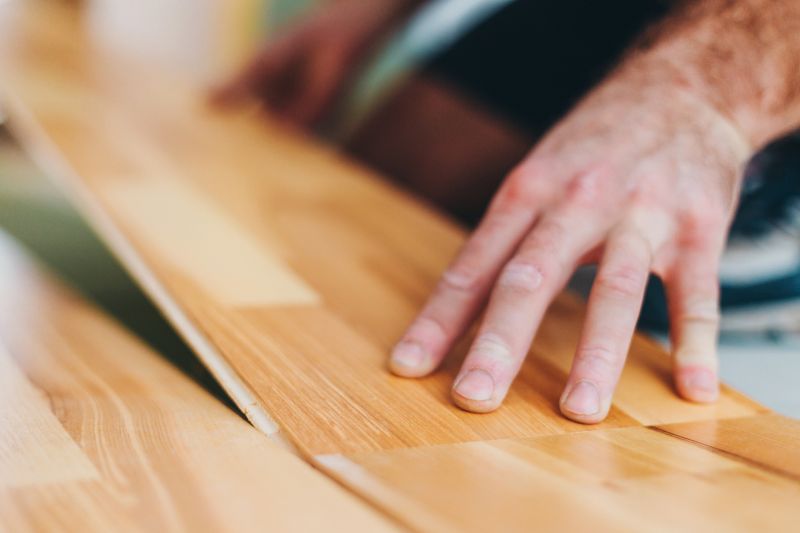
Continue installing the distressed hardwood planks row by row, using a pneumatic flooring nailer or adhesive as recommended by the manufacturer. Stagger the end joints by at least 6 inches for a more natural look.
Step 7: Cut and Fit Planks
Measure and cut planks as needed to fit around doorways, corners, or other obstacles. Use a miter saw or a jigsaw to make precise cuts, and ensure a snug fit.
Step 8: Install the Final Row
For the final row, measure and cut the planks to fit the remaining space. Use a pull bar and a hammer to snugly fit the last row in place.
Step 9: Install Baseboards and Trim
After the distressed hardwood floor installation is complete, install baseboards or trim to cover the expansion gap and provide a finished look. Use a nail gun or adhesive to secure them in place.
Step 10: Clean and Maintain
Once the installation is done, clean the floor thoroughly and apply a protective finish if desired. Regularly maintain the distressed hardwood floors by sweeping, vacuuming, and using appropriate cleaning products.
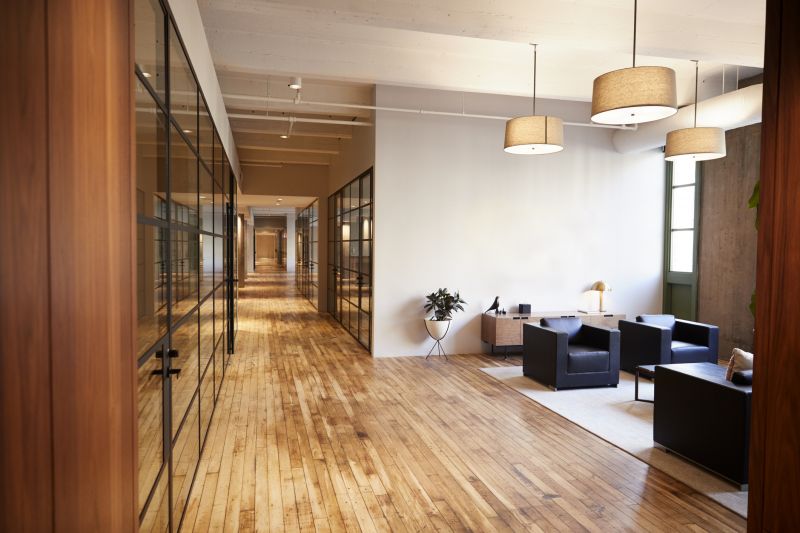
By following these steps, you can successfully install distressed hardwood floors and enhance the beauty of your space.