Engineered Hardwood Floor Installation | How To
How to Install Engineered Hardwood Floors
Step 1: Prepare the Subfloor
Before starting the installation process, ensure that the subfloor is clean, dry, and level. Remove any existing flooring, carpet, or debris. Repair any cracks or uneven areas, and make sure the subfloor is structurally sound.
Step 2: Acclimate the Flooring
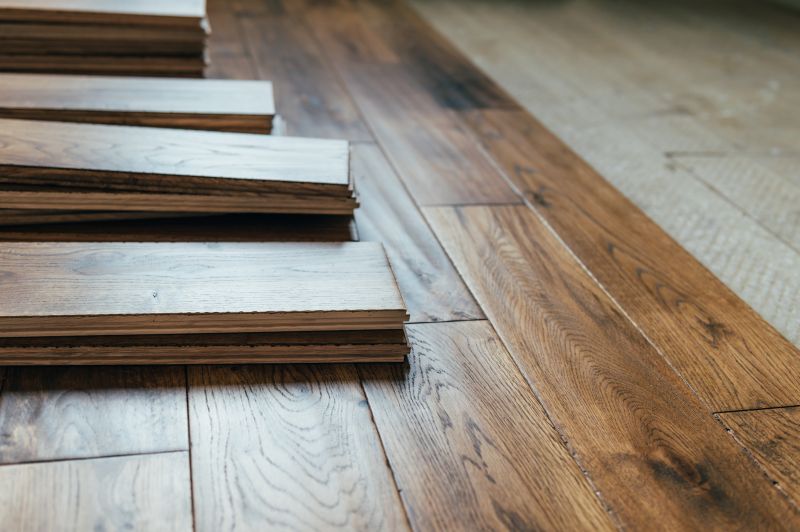
Allow the engineered hardwood flooring to acclimate in the room where it will be installed for at least 48 hours. This helps the flooring adjust to the temperature and humidity of the space, preventing future issues such as warping or buckling.
Step 3: Lay the Vapor Barrier
Install a vapor barrier over the subfloor to protect the hardwood from moisture. Roll out the barrier, ensuring it covers the entire floor area. Trim any excess and secure it in place using tape or adhesive.
Step 4: Install the Underlayment
Lay down an underlayment over the vapor barrier. This helps reduce noise, provides cushioning, and acts as a moisture barrier. Follow the manufacturer's instructions for installation, ensuring proper coverage and alignment.
Step 5: Start the Installation
Begin the installation process by placing the first row of engineered hardwood flooring along the longest wall of the room. Leave a 1/2-inch expansion gap between the flooring and the wall to allow for natural expansion. Use spacers to maintain the gap.
Step 6: Continue Installing the Flooring
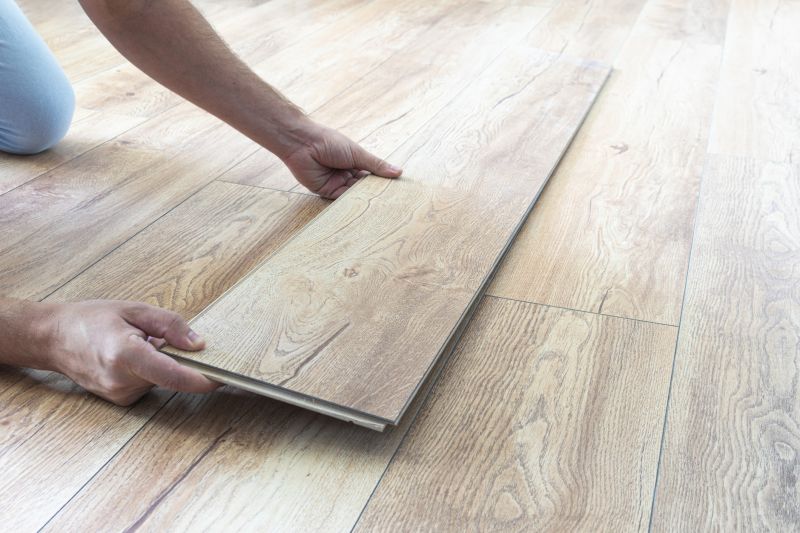
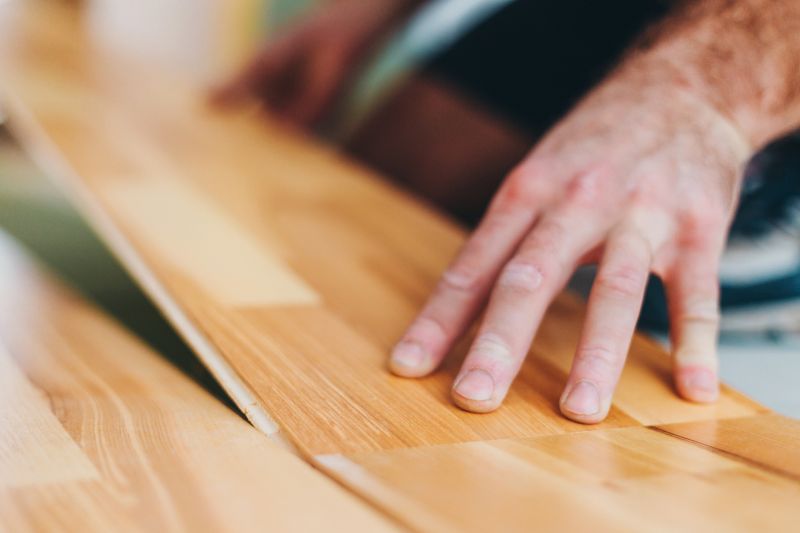
Lay the subsequent rows of flooring, interlocking the tongue and groove edges. Use a tapping block and rubber mallet to ensure a tight fit. Stagger the boards for a more natural and visually appealing look. Cut the last piece of each row to fit, if necessary.
Step 7: Trim and Install Baseboards
Once the flooring is installed, remove the spacers and install baseboards or molding to cover the expansion gap. Use a saw or miter box to cut the baseboards to the appropriate length and angle. Attach them to the wall using nails or adhesive.
Step 8: Finishing Touches
Clean the installed flooring using a recommended hardwood floor cleaner. Inspect for any visible gaps or imperfections and make necessary adjustments. Allow the floor to settle for a few days before placing furniture or heavy objects on it.
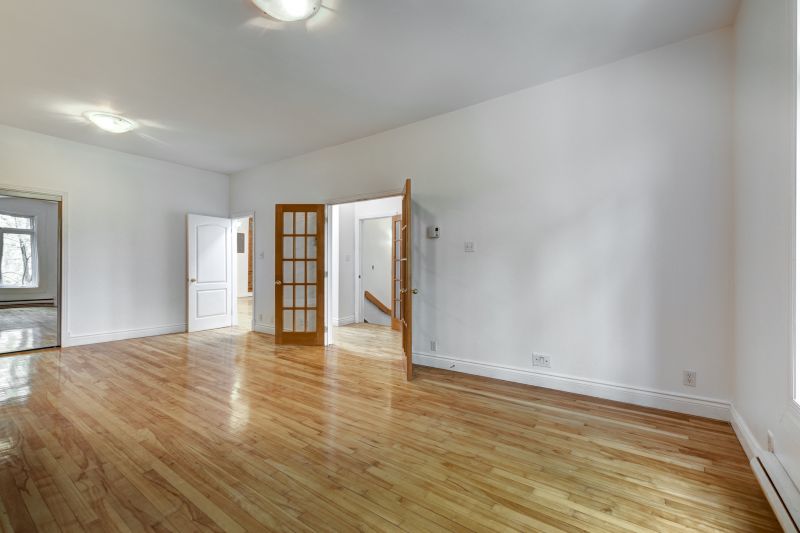
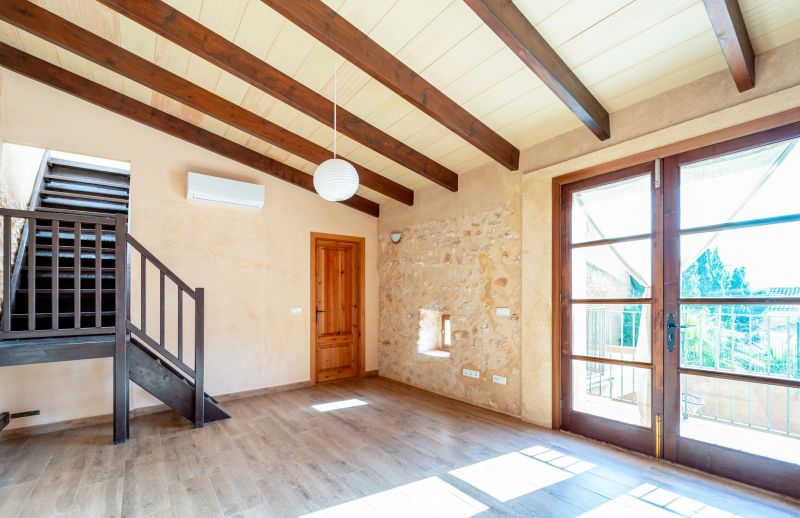
Congratulations! You have successfully installed engineered hardwood floors in your space. Enjoy the beauty and durability of your new flooring.